


The Dramatic Use of Lighting in Casino Films
Introduction
Before diving into our comprehensive guide, let’s explore the Table of Contents, which serves as your roadmap through the high-stakes world of casino films and cinematic gambling narratives.
The world of casino films is synonymous with glamour, risk, and excitement. A crucial element that often goes unnoticed in these films is the use of lighting. It not only sets the mood but also plays a significant role in storytelling. Through strategic lighting techniques, filmmakers craft an atmospheric experience that captivates audiences. In this article, we will examine the dramatic use of lighting in casino films, highlighting its various functions and effects.
1. Establishing Atmosphere
Lighting is integral to establishing the ambiance of a casino in film. Dark, moody lighting can suggest danger and intrigue, while bright lights can evoke excitement and celebration.
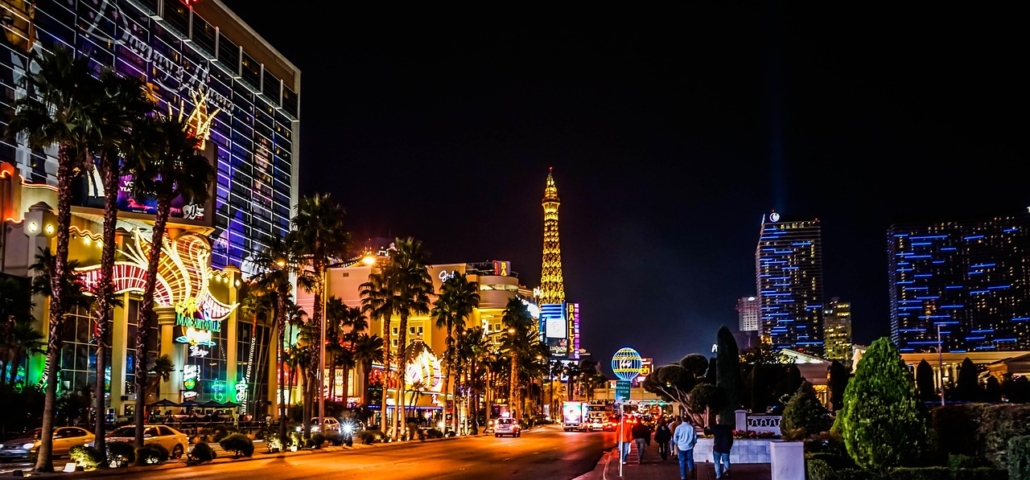
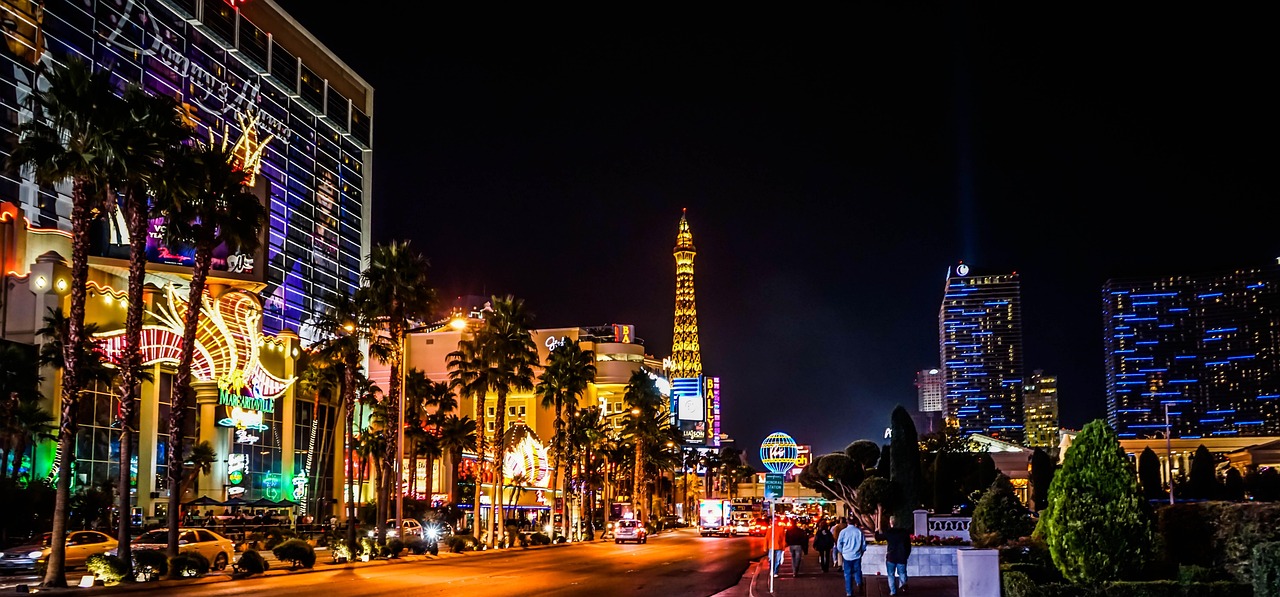
- Neon Lights: The vibrant neon lights of casinos often symbolize luxury and allure, drawing characters into various plots.
- Shadows: Strong contrasts between light and shadow can create a sense of tension and suspense, keeping viewers on edge.
2. Highlighting Character Traits
Lighting can subtly convey insights into a character’s personality or motivations.
- Bright Lighting: Characters portrayed under bright lights often display confidence and charisma.
- Low Lighting: Characters in dimly lit settings may signify mystery or moral ambiguity.
3. Enhancing Emotional Impact
Emotionally charged scenes in casino films often rely heavily on lighting to amplify feelings.
- Warm Tones: Using warm lighting can evoke feelings of nostalgia and comfort.
- Cold Tones: Cooler lighting can create a sense of isolation or disillusionment.
4. Symbolism of Light and Darkness
Light and dark serve as powerful metaphors in cinema, particularly in narratives centered around gambling and chance.
- Light: Often symbolizes hope, victory, or the thrill of success.
- Darkness: Can represent loss, danger, or the darker sides of human nature.
5. Showcasing Action and Dynamics
To heighten action sequences, dynamic lighting changes—like strobe effects or rapid shifts in intensity—can create a heightened sense of urgency.
- Fast Cuts: Filmmakers often use quick cuts paired with intense lighting to create frenetic energy.
- Spotlighting: Introducing spotlights can emphasize critical moments, like a high-stakes card reveal.
6. Cinematic Techniques and Innovations
The evolution of lighting technology and techniques has transformed how stories are told in casino films.
- Practical Effects: Utilizing real-world lighting sources like candles or lamps can create an organic feel.
- Digital Enhancements: CGI lighting allows for virtually limitless possibilities in creating dramatic effects.
7. Iconic Lighting Scenes in Casino Films
Several casino films have left a lasting impact thanks to their careful lighting choices.
- The Godfather (1972): Many scenes are lit in a way that reflects the power and corruption inherent in the story.
- Casino Royale (2006): The intense card game sequences utilize stark contrasts to heighten the dramatic stakes.
8. The Influence of Culture and Style
The cultural context surrounding a film affects its lighting choices, as filmmakers draw inspiration from the setting and style of the stories.
- American Casinos: Films set in the US often reflect the glitzy Las Vegas aesthetic.
- European Gambling Halls: Traditional lighting may be more muted and sophisticated, reflecting elegance.
9. Psychological Effects of Lighting
Lighting does not just affect the visual experience but also influences viewers psychologically, making them feel certain emotions or moods.
- Suspense: Low lighting can heighten anticipation during critical plot moments.
- Joy: Bright, cheerful lighting can invoke warmth and happiness in celebratory scenes.
Conclusion
The deliberate and dramatic use of lighting in casino films enhances the storytelling experience by establishing mood, revealing character traits, and influencing audience emotions. From the neon glow of Las Vegas to the shadowy corners of a high-stakes poker game, lighting plays an essential role in creating a cinematic experience that resonates with viewers long after the credits roll.
For further reading on the impact of lighting in film, check out No Film School, where experts delve deeper into the topic.
To explore the broader influence of lighting in cinema, refer to Filmmaker IQ for techniques used by industry professionals.

