
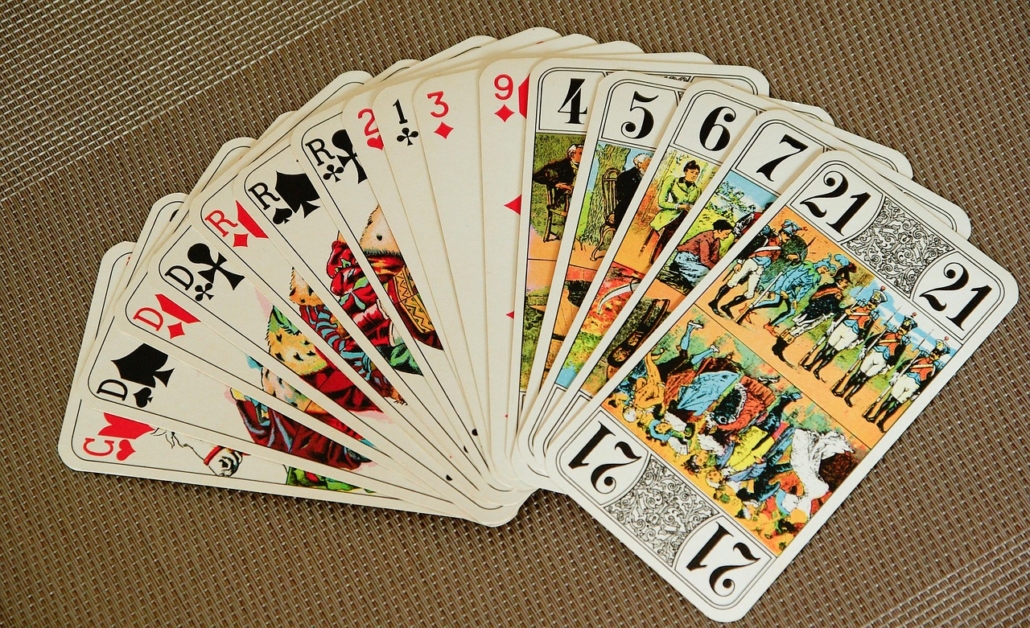
Creating Your Own Unique Rules for Classic Japanese Card Games

Introduction to Japanese Card Games
Explore our comprehensive Table of Contents, where you can navigate through our expert guides on strategy, rules, and winning tips for the most popular card games in the casino.

Japanese card games hold a unique place in the realm of tabletop gaming, combining traditional culture with engaging mechanics. These games, such as Hanafuda and Karuta, not only provide entertainment but also serve as a medium for creativity andstrategy. In this article, we will explore how to create your own unique rules to enhance these classic games for a more personalized experience.
Understanding Classic Japanese Card Games
Hanafuda
Hanafuda is a traditional Japanese card game using a deck of 48 cards, each representing a month of the year and adorned with beautiful floral illustrations. The game can be played in various ways and often involves creating sets or pairs. Learn more about the history and mechanics of Hanafuda at Japanese Studies.
Karuta
Karuta is another popular card game, typically played in two variations; reading and matching cards based on an element of a poem or phrase. This game emphasizes memory and quick thinking, making it a favorite among families and friends.
Why Create Your Own Rules?
Many players enjoy customizing game rules to cater to personal preferences or to make the game more exciting. Creating your own unique rules allows for variations that can lead to:
- Increased engagement and enjoyment.
- Accommodations for different skill levels.
- Enhanced strategic depth.
- Introduction of thematic elements.
Steps to Create Unique Rules
Identify the Core Mechanics
Before making modifications, familiarize yourself with the core mechanics of the game. Know how the original game plays, including its objectives, victory conditions, and player interactions.
Playtest Different Variants
Playtest your new rules with friends or family to assess their effectiveness. Observe the gameplay to determine if the changes enhance the experience or create confusion.
Gather Feedback
Collect feedback from players to refine your rules. Ask questions about what they enjoyed or found challenging, and make adjustments accordingly.
Examples of Unique Rules
Hanafuda Variants
Consider the following unique rules for Hanafuda:
- Team Play: Divide into two teams and create shared points or objectives.
- Theme Rewards: Assign point bonuses for creating sets that relate to a specific theme, like seasons.
Karuta Variants
For Karuta, try implementing rules such as:
- Speed Rounds: Introduce a timed limit for matching cards.
- Custom Poem Cards: Create cards based on personal themes or occasions.
Maintaining Balance and Fairness
As you create new rules, ensure that the game remains balanced. This involves considering factors like:
- The impact on player skills.
- Potential advantages and disadvantages of each rule.
- Overall enjoyment and engagement for all players.
Incorporating Cultural Elements
Infusing cultural themes can add richness to your gameplay. You can consider:
- Historical references or folklore.
- Artistic elements from Japanese culture.
- Music or sounds that set the mood while playing.
Conclusion
Creating your own unique rules for classic Japanese card games is a rewarding way to enhance both the experience and enjoyment of these traditional games. By understanding the mechanics, playtesting variants, gathering feedback, and ensuring balance, you can develop a personalized gaming experience that resonates with your group. Encourage creativity and enjoy your journey into the world of card games!
Resources for Further Reading
For those interested in diving deeper into the world of Japanese card games, check out:

