


The Science of Luck: Does it Really Matter in Dice Games?

Introduction
Explore our comprehensive guide to the most thrilling casino attractions, where we provide a detailed Table of Contents covering everything from high-stakes slots to the fast-paced excitement of various dice games.
Dice games have been a popular source of entertainment for centuries, captivating players with the thrill of chance and the anticipation of what the next roll might bring. But is success in these games purely reliant on luck, or do skill and strategy play a significant role? In this article, we will delve into the science of luck, examine how it affects dice games, and uncover the factors that can improve your chances of winning.
The Basic Principles of Probability
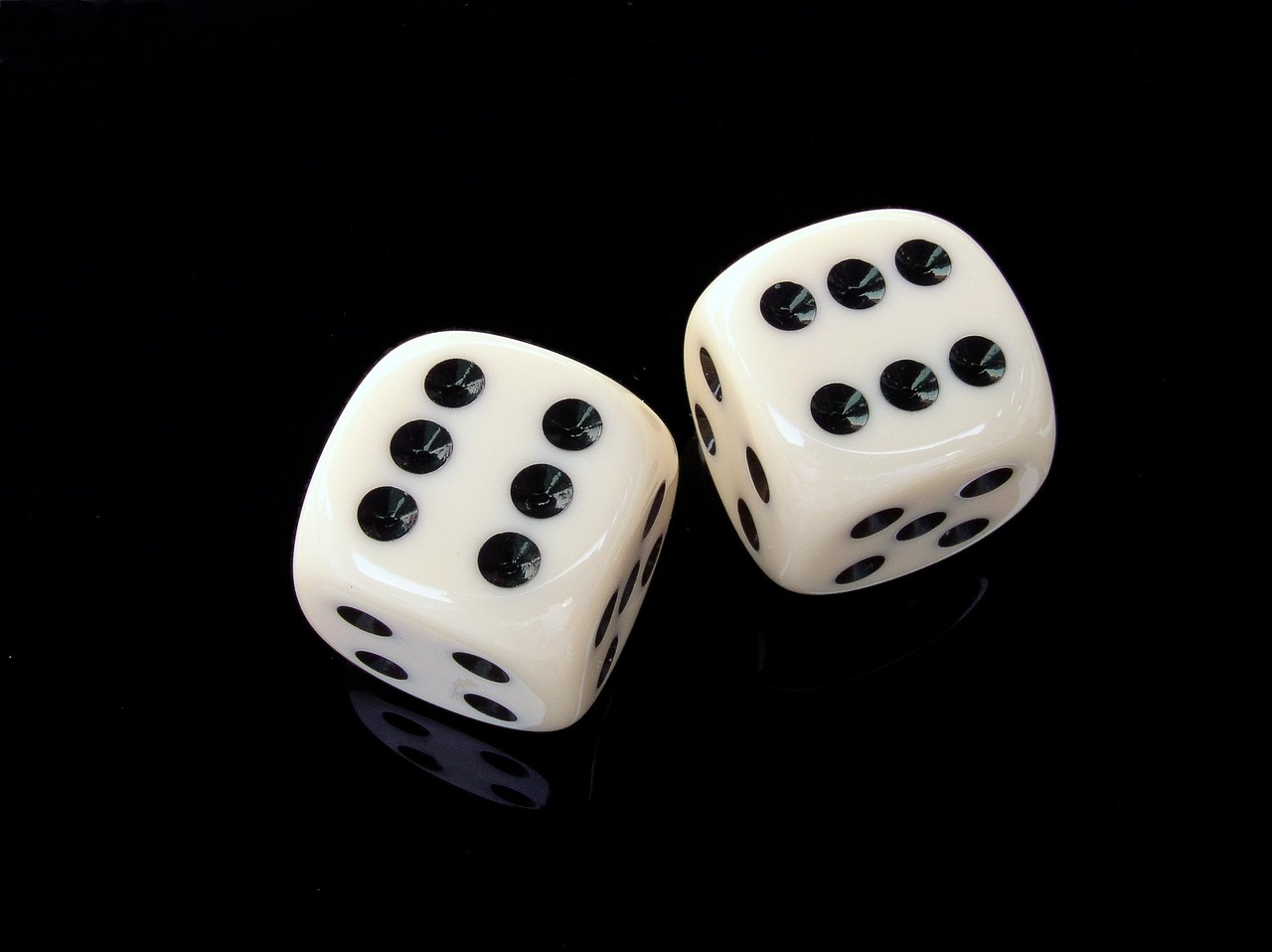
Understanding probability is foundational to grasping the essence of luck in dice games. Probability measures the likelihood of an event occurring. In dice games, each side of a die represents a potential outcome, and the total combinations of a roll can be calculated based on the number of dice used. For instance, a single six-sided die has six possible outcomes (1 to 6), while two dice yield 36 possible combinations.
Key Concepts of Probability
- Independent Events: Each roll of a die is independent, meaning previous rolls do not influence future results.
- Expected Value: The average outcome of a dice game can be predicted using expected value calculations.
The Role of Luck in Games of Chance
Luck is often viewed as a random element that can either favor or hinder a player’s success. In games like craps or Liar’s Dice, luck can swing the odds dramatically, but it’s important to understand that luck is only one factor at play.
Different Types of Luck
- Absolute Luck: The unexplainable occurrences that seem purely random.
- Conditional Luck: Situations influenced by players’ choices or decisions.
Psychological Factors and the Illusion of Control
The psychology of gambling can lead players to develop beliefs about luck that affect their decision-making. Many players believe they can influence the outcome through specific behaviors or rituals.
The Gambler’s Fallacy
This is the belief that future probabilities are altered by past events. For example, if a player rolls several high numbers, they might think a low number is ‘due’ to occur, despite each roll being independent.
Superstition and Rituals
Many players have their rituals—for example, blowing on dice before a roll or using lucky charms. While these behaviors do not influence statistical outcomes, they can impact player confidence, which in turn can affect performance.
Strategies to Improve Game Performance
While luck plays a significant role in dice games, understanding the underlying mechanics and employing strategic thinking can enhance your chances of success.
Know the Rules and Odds
Diving deep into the rules and odds associated with a specific game is crucial. Understanding when to bet, raise, or fold can give experienced players an edge over novices.
Manage Your Bankroll
Setting limits on spending and sticking to a budget can help players enjoy dice games while mitigating frustration from losses.
Mathematics and Fairness in Dice Games
Most modern dice games are designed to be fair, meaning that over a large number of rolls, the outcomes should statistically align with the expected probabilities. However, this fairness can vary with the format of the game and the equipment used.
Analyzing Luck Through a Scientific Lens
Research into gambling behavior and statistics reveals the complexity behind the concept of luck. Studies have suggested that while luck is a significant factor in short-term outcomes, skill and strategy can prevail in the long term.
External Insights
For those interested in delving deeper into the mathematical and psychological aspects of gambling, resources such as Gambling.com on Craps and Scientific American’s The Science of Luck offer valuable information.
Conclusion
Luck undeniably plays a crucial role in the dynamics of dice games, but it should not overshadow the importance of skill, knowledge, and strategy. By understanding the intricacies of probability, managing behaviors, and applying effective strategies, players can potentially tilt the balance in their favor.